Tag Archives: digital government

2025 Year in Review: Work and Impact

Every year I send around to former students some highlights of this years work. This time I’m posting here! Hoping some of this work is of interest to all of you. Always keen to hear feedback!

1. Continued Growth of the DPI Map
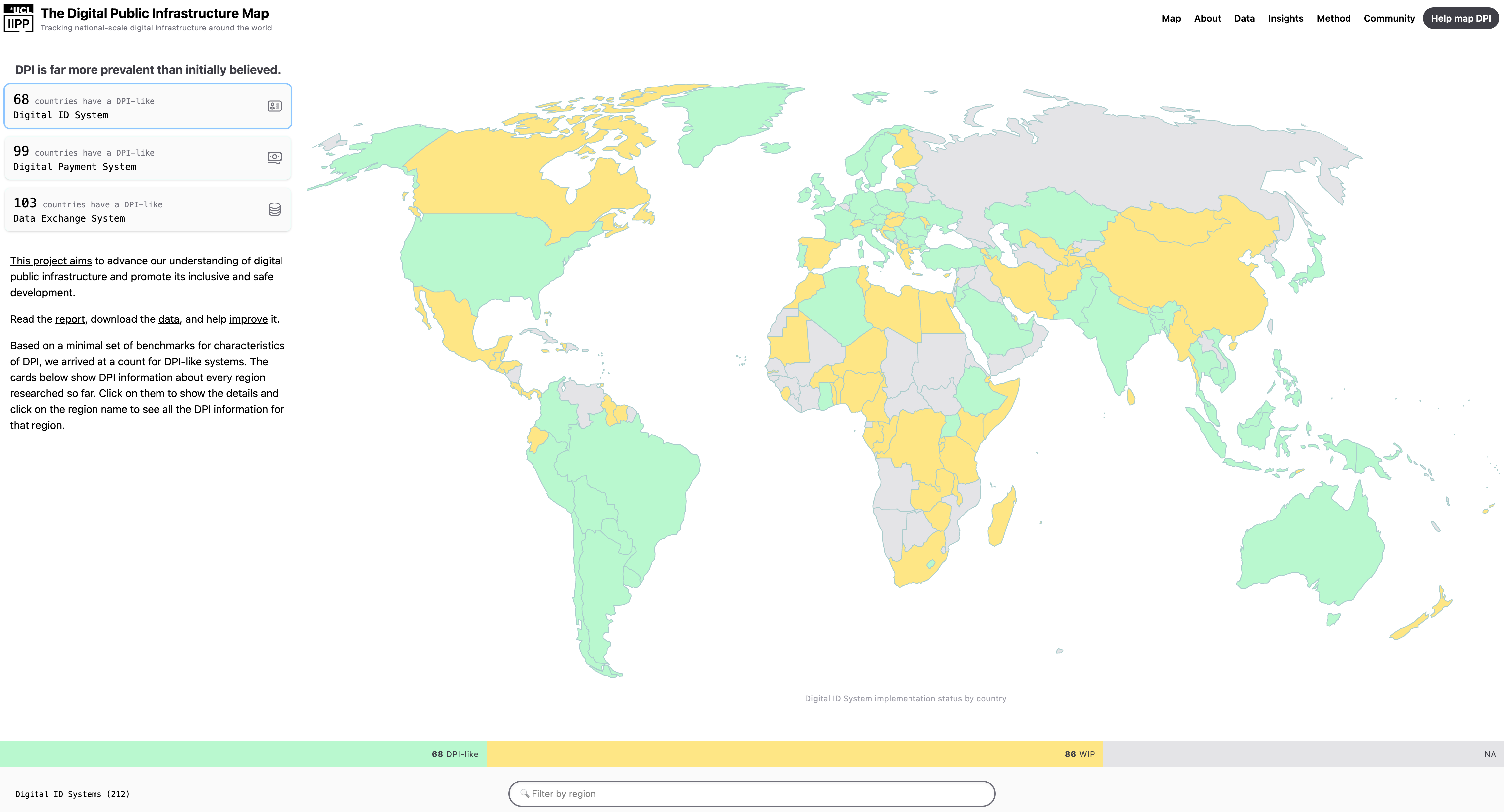
Our DPI Map has become a go-to resource in the field:

  • Now used by multiple Multilateral Development Banks, research teams, and the DPI Safeguards assessment process
  • Forms the core of our State of DPI 2025 Report, which we formally launch this week
  • Maps digital public infrastructure deployments across 210 countries

2. Economics of Digital Public Infrastructure

Diane Coyle (Cambridge University) and I working with Beatriz Vasconcellos, and Sumedha Deshmukh co-authored our report on The Economics of Shared Digital Infrastructure.

This work has led to:

  • Sustained engagement with the World Bank, UK Treasury, and the Dominican Republic about how they fund digital infrastructure projects
  • Adoption of our methodology by the G20 Digital Economy Working Group
  • Potential to unlock billions in funding and reshape spending to be much more effective

This is deep, nerdy policy work – but it has real potential for impact.

3. The Largest Randomized Control Trial on Digital Government Skills?

We’re mid-process running what we believe is the largest randomized control trial on digital-era skills for public servants:

  • I trained 10 Brazilian experts on how to deliver our digital government course (DPI662 at HKS, Digital Government at IIPP)
  • Those trainers have just finished training a first cohort of ~500 public servants
  • We’ll now run some tests to see if this training impacts the effectiveness of this first cohort vis-a-vis a second cohort who will be trained later this year

It’s been an absolute delight collaborating with Christian Schuster (Blavatnik, Oxford), Maria Alexandra Cunha (FGV), and Kim Mikkelsen (Roskilde University) on this work.

Also grateful to UKRI for funding this work!
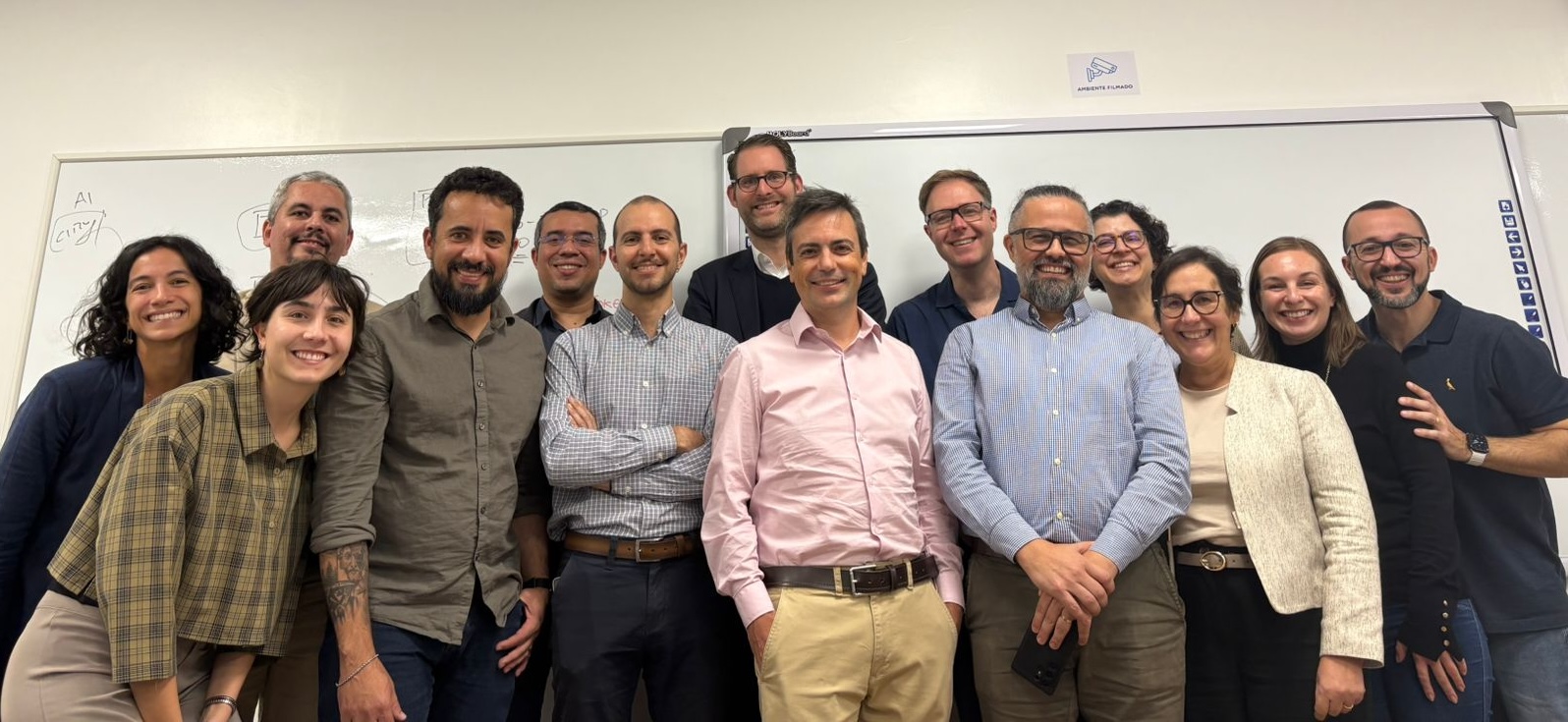
The Brazilian trainers during our Train the Trainer session in Brasilia
Our Amazing Brazilian Trainers during our Train the Trainer program in Brazilia

4. New Case Studies & Publications

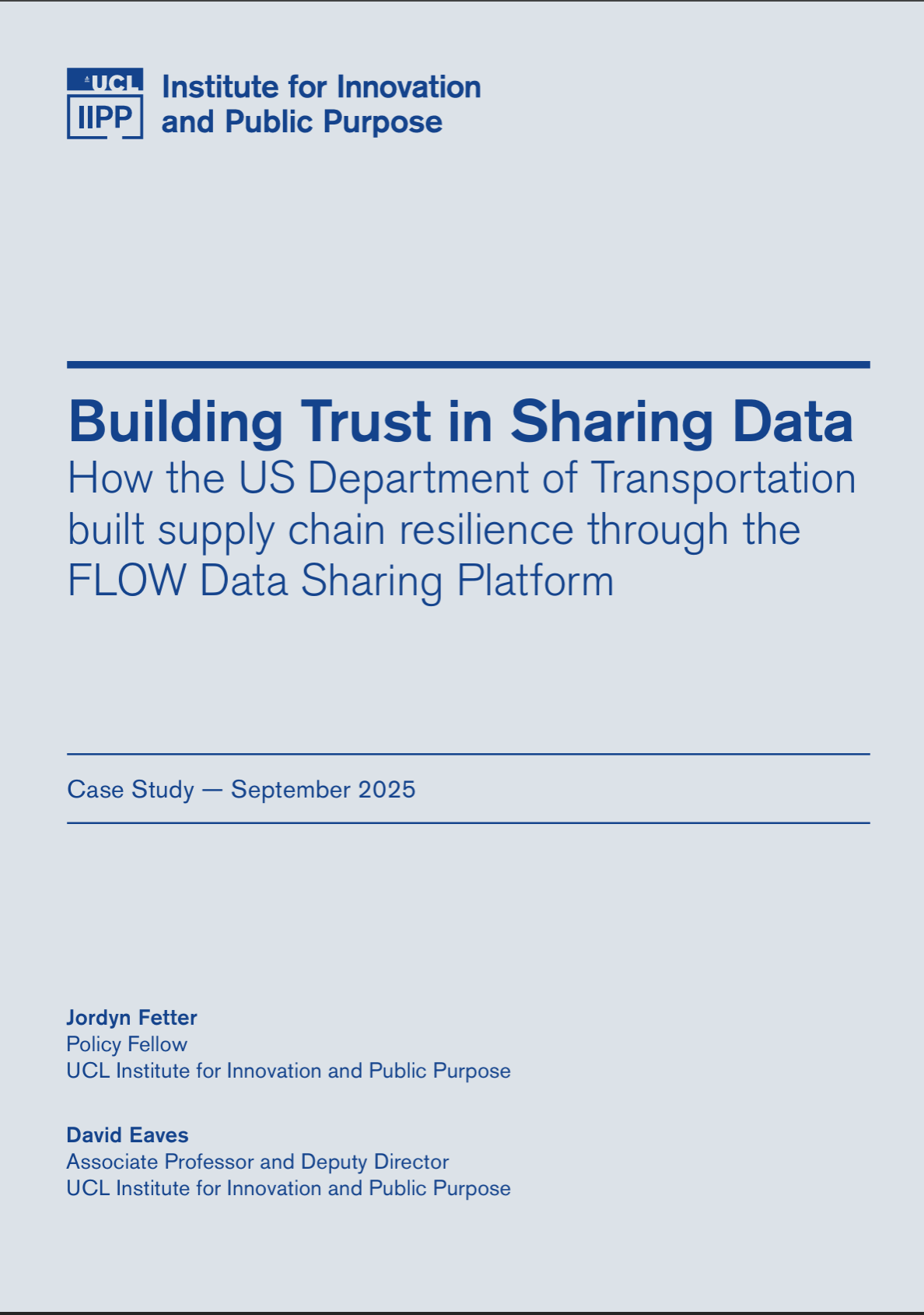
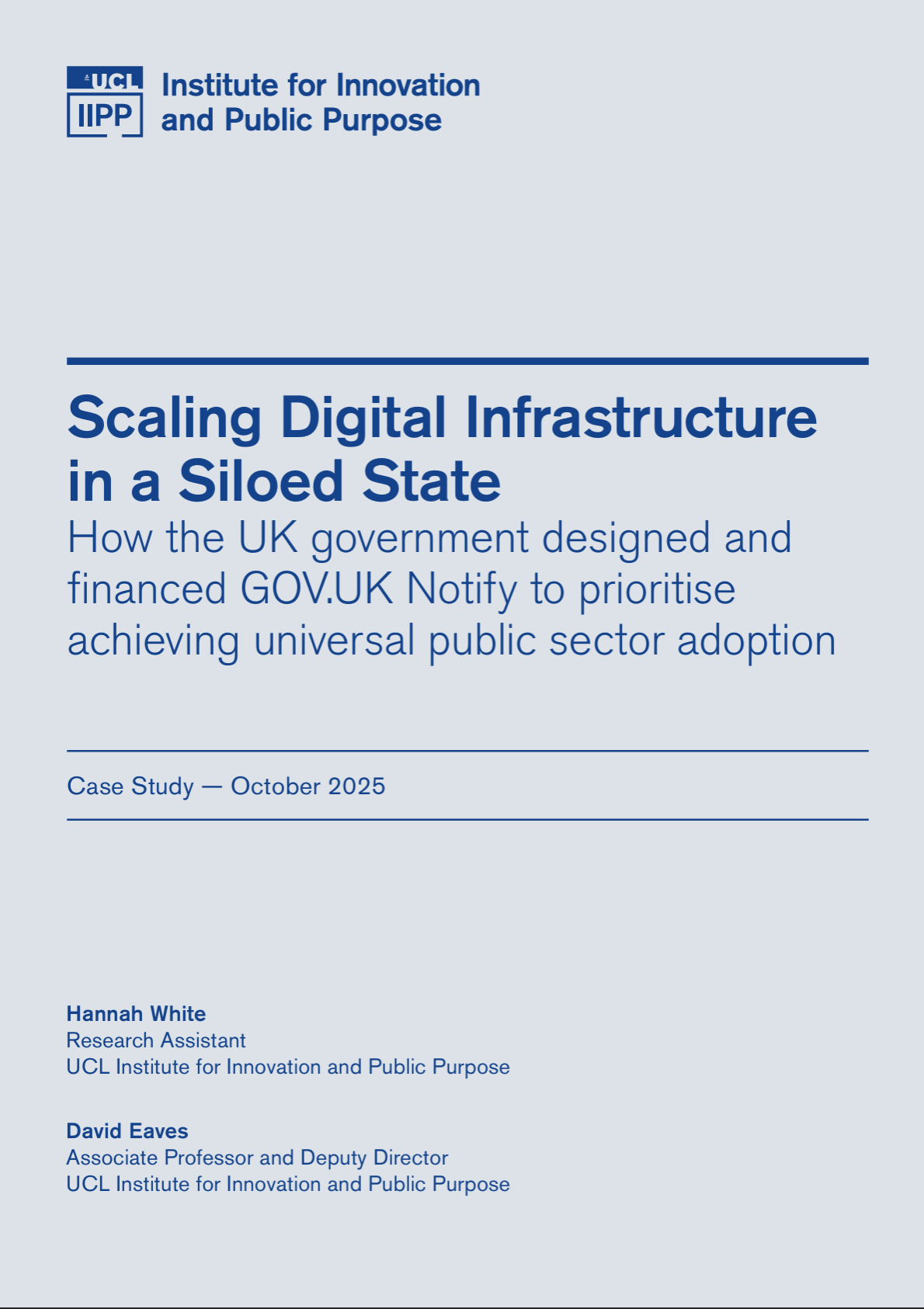
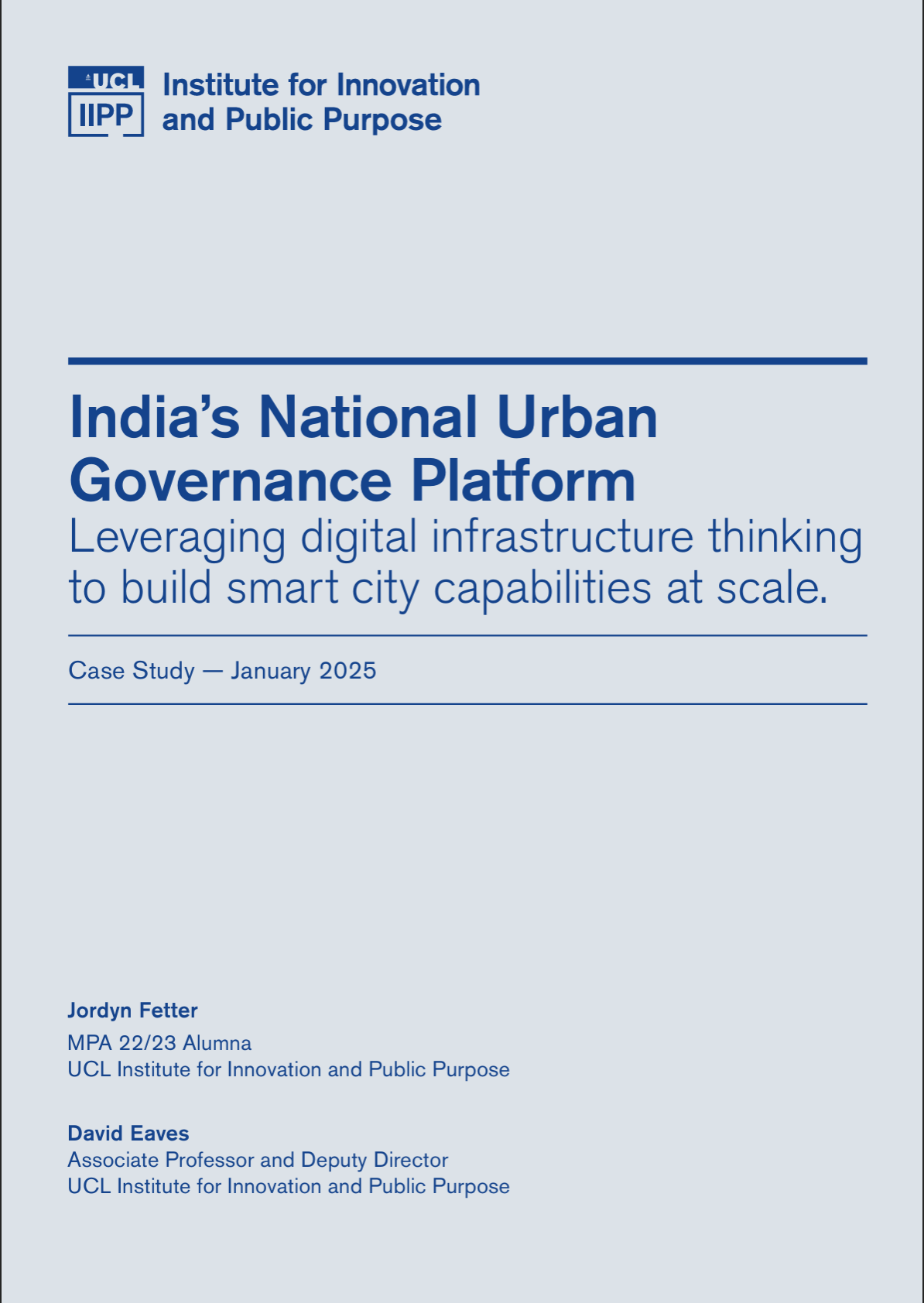
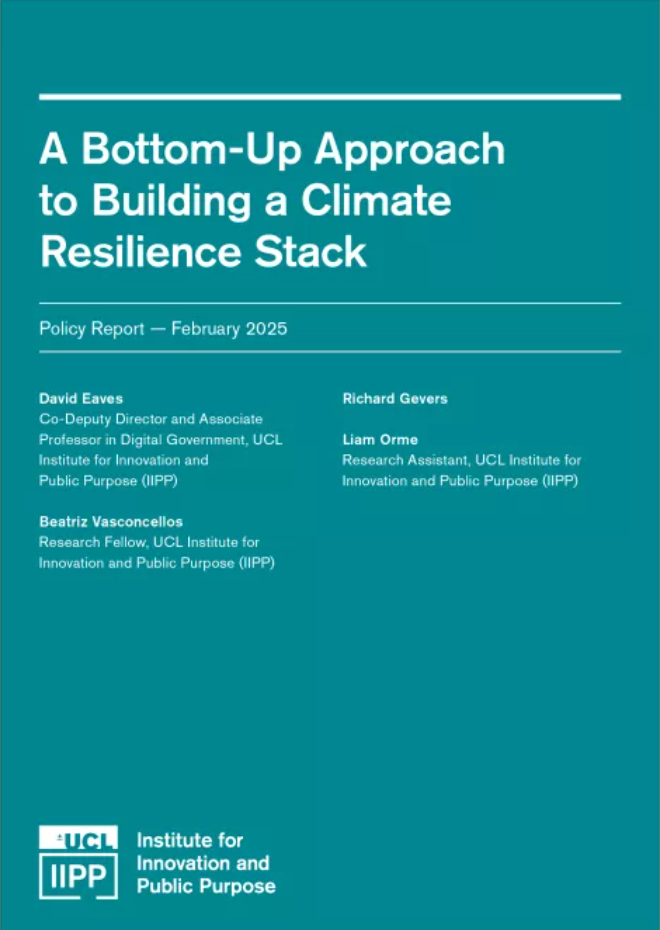
We published a lot this year. Some highlights below of what I think might be of interest:

Teaching Case Studies:

These are great if you are teaching a digital government course… All free to download and use! Also just great reads for those interested in learning about what is happening around the world in digital government.

Articles & Commentary:

We also have a peer-reviewed papers coming out in January, and a few more teed up for later in the year – stay tuned!

Hillary, Kevin and I on the Lawfare Podcast

5. Talks & Engagement Around the World

Some presentations I’m particularly excited to be invited to give this year included:

  • G20 Digital Economy Working Group in South Africa
  • IMF Fiscal Forum Japan meeting in Tokyo
  • Multiple sessions at the Digital Public Infrastructure Summit in Cape Town, South Africa
  • Presentation to the Canadian Senate in Ottawa
  • Women in GovTech (hosted by GovStack, a German-Estonian government-funded project)
  • FestiBO Bites in Bogotá (thank you Angela María Reyes, HKS 2016!)

6. Advisory Roles & Other Work


Personal Update: Iceland Adventures

Panorama of Iceland

The big personal adventure this year was an 8-day hike through Iceland with my eldest son Alec, my co-founder Luke, and his family. We hiked the Laugavegur and Fimmvörðuháls Trails back-to-back.

Absolutely stunning landscapes, challenging terrain, and wonderful company. I’ve been lucky to have a life filled with meaningful, challenging journeys, surrounded by great people. I don’t take enough time off, and this was a ton of fun. It was also a powerful reminder of how blessed I am to be able to work and play with people I care about – whether hiking trails or reforming government systems.


Former Students: Alumni Office Hours and Our Digital Government Working Group

Eternal Office Hours: Every year I do about 30-50 calls with former students, sometimes its career advice, sometimes it’s on their new startup (were a LOT of those in 2025), some are collaborations, other times it’s just to catch up. Please feel free to use this link to book in

Digital Government Working group: If you work in the digital government and have something to share (a problem or success) we’d love to host you in our ongoing online seminar with my current researchers and students. For example, Jake Boyd (HKS 2023) presented his work on Open Source Protocols for Elections in December.

Please email me if you have work you want to share!


Hope everyone had a great 2025 and wishing you a successful 2026. The world has never been more in need of good people, working on the right problems, with the best intentions. I hope you are one of them and that our paths get to cross.
Covid-19: Lessons from and for Government Digital Service Groups

This article was written by David Eaves, lecturer at the Harvard Kennedy School, Tom Loosemore, Partner at Public Digital, with Tommaso Cariati and Blanka Soulava, students at the Harvard Kennedy School. It first appeared in Apolitical.

Government digital services have proven critical to the pandemic response. As a result, the operational pace of launching new services has been intense: standing up new services to provide emergency funds, helping people stay healthy by making critical information accessible online, reducing the strain on hospitals with web and mobile based self-assessment tools and laying the groundwork for a gradual reopening of society by developing contact tracing solutions.

To share best practices and discuss emerging challenges Public Digital and the Harvard Kennedy School co-hosted a gathering of over 60 individuals from digital teams from over 20 national and regional governments. On the agenda were two mini-case studies: an example of collaboration and code-sharing across Canadian governments and the privacy and interoperability challenges involved in launching contract tracing apps.

We were cautious about convening teams involved in critical work, as we’re aware of how much depends on them. However, due to the positive feedback and engaging learnings from this session we plan additional meetings for the coming weeks. These will lead up to the annual Harvard / Public Digital virtual convening of global digital services taking place this June. (If you are part of a national or regional government digital service team and interested in learning more please contact us here.)

Case 1: sharing code for rapid response

In early March as the Covid-19 crisis gained steam across Canada, the province of Alberta’s non-emergency healthcare information service became overwhelmed with phone calls.

Some calls came from individuals with Covid-19 like symptoms or people who had been exposed to someone who had tested positive. But many calls also came from individuals who wanted to know whether it was prudent to go outside, who were anxious, or had symptoms unrelated to Covid-19 but were unaware of which symptoms to look out for. As the call center became overwhelmed it impeded their ability to help those most at risk.

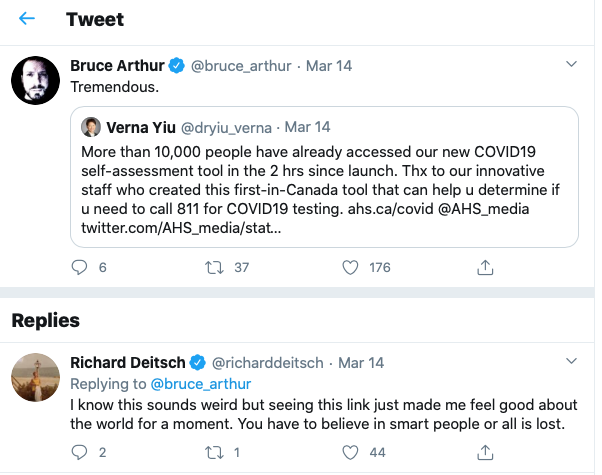
Enter the Innovation and Digital Solutions from Alberta Health Services, led by Kass Rafih and Ammneh Azeim. In two days, they interviewed medical professionals, built a prototype self-assessment tool and conducted user-testing. On the third day, exhausted but cautiously confident, they launched the province of Alberta’s Covid-19 Self Assessment tool. With a ministerial announcement and a lucky dose of Twitter virality, they had 300k hits in the first 24h, rising to more than 3 million today. This is in a province with a total population of 4.3 million residents.

But the transformative story begins five days later, when the Ontario Digital Service called and asked if the team from Alberta would share their code. In a move filled with Canadian reasonableness, Alberta was happy to oblige and uploaded their code to GitHub.

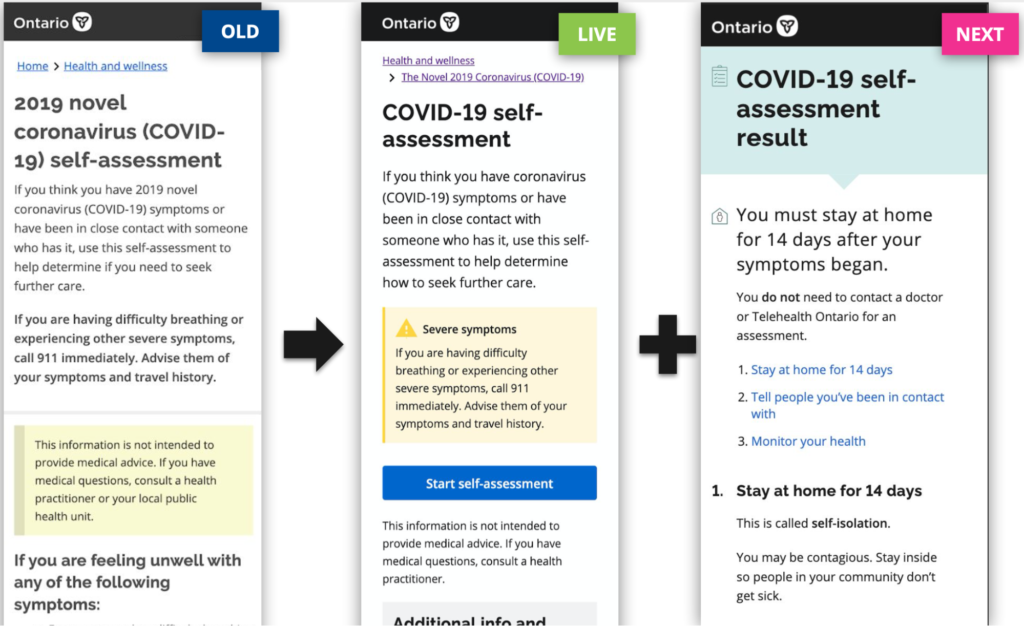
Armed with Alberta’s code, the Ontario team also moved quickly, launching a localised version of the self-assessment tool in three days on Ontario.ca. Anticipating high demand, a few days later they stood up and migrated it to a new domain — Covid-19.ontario.ca — which has since evolved into a comprehensive information source for citizens, hosting information such as advice on social distancing or explanations about how the virus works with easy to understand answers.

The evolution of the Ontario Covid-19 portal information page, revised for ease of understanding and use

The Ontario team, led in part by Spencer Daniels, quickly iterated on the site, leveraging usage data and user feedback to almost entirely rewrite the government’s Covid-19 advice in simpler and accessible language. This helped reduce unwarranted calls to the province’s help lines.

Our feeling is that governments should share code more often. This case is a wonderful example of the benefits it can create. We’ve mostly focused on how code sharing allowed Ontario to move more quickly. But posting the code publicly also resulted in helpful feedback from the developer community and wider adoption. In addition, several large private sector organisations have repurpose that code to create similar applications for their employees and numerous governments on our call expressed interest in localising it in their jurisdiction. Sharing can radically increase the impact of a public good.

The key lesson. Sharing code allows:

  • Good practices and tools to be adopted more widely — in days, not weeks
  • Leveraging existing code allows a government team to focus on user experience, deploying and scaling
  • The crisis is a good opportunity to overcome policy inertia around sharing or adopting open source solutions
  • Both digital services still have their code on GitHub (Ontario’s can be found here and Alberta’s here).

The amazing outcome of this case is also a result of the usual recommendations for digital services that both Alberta and Ontario executed so well: user-centered design, agile working and thinking, working in cross-functional teams, embedding security and privacy by design and using simple language.

Case 2: Contact tracing and data interoperability

Many countries hit hard by the coronavirus are arriving at the end of the beginning.

The original surge of patients is beginning to wane. And then begins a complicated next phase. A growing number of politicians will be turning to digital teams (or vendors) hoping that contact tracing apps will help re-open societies sooner. Government digital teams need to understand the key issues to ensure these apps are deployed in ways that are effective, or to push back against decision makers if these apps will compromise citizens’ trust and safety.

To explore the challenges contact tracing apps might create, the team from Safe Paths, an open source, privacy by design contact tracing app built by an MIT led team of epidemiologists, engineers, data scientists and researchers, shared some early lessons. On our call, the Safe Paths team outlined two core thoughts behind their work on the app: privacy and interoperability between applications.

The first challenge is the issue of data interoperability. For large countries like the United States, or regions like Europe where borders are porous, contact tracing will be difficult if data cannot be scaled or made interoperable. Presently, many governments are exploring developing their own contact tracing apps. If each has a unique approach to collecting and structuring data it will be difficult to do contact tracing effectively, particularly as societies re-open.

Apple and Google’s recent announcement on a common Bluetooth standard to enable interoperability may give governments and a false sense of security that this issue will resolve itself. This is not the case. While helpful, this standard will not solve the problem of data portability so that a user could choose to share their data with multiple organisations. Governments will need to come together and use their collective weight to drive vendors and their internal development teams towards a smaller set of standards quickly.

The second issue is privacy. Poor choices around privacy and data ownership — enabled by the crisis of a pandemic — will have unintended consequences both in the short and long term. In the short term, if the most vulnerable users, such as migrants, do not trust a contact app they will not use it or worse, attempt to fool it, degrading data collection and undermining the health goals. Over the long term, decisions made today could normalise privacy standards that run counter to the values and norms of free liberal societies, undermining freedoms and the public’s long term trust in government. This is already of growing concern to civil liberties groups.

One way Safepaths has tried to address the privacy issue is by storing users data on their device and giving the user control over how and when data is shared in a de-identified manner. There are significant design and policy challenges in contact apps. This discussion is hardly exhaustive, but they need to start happening now, as decisions about how to implement these tools are already starting to be made.

Finally, the Safepaths team noted that governments have a responsibility in ensuring access to contact tracing infrastructure. For example, they struck agreements to zero-rate — e.g. make the mobile data needed to download and run the app free of charge — in a partner Caribbean country to minimise any potential cost to the users. Without such agreements, some of the most vulnerable won’t have access to these tools.

Conclusions and takeaways

This virtual conversation was the first in a series that will be held between now and the annual June Harvard / Public Digital convening of global digital services. We’ll be hosting more in the coming weeks and months.

Takeaways:

  • The importance of collaboration and sharing code within and between countries. This was exemplified by code sharing between the Canadian provinces and by the hope that this can become an international effort.
  • Importance of maintaining user-centered focus despite of the time pressure and fast-changing environment that requires quick implementation and iteration. Another resource here is California’s recently published crisis digital standard.
  • Privacy and security must be central to solutions that help countries deal with Covid-19. The technology exists to make private and secure self-assessment forms and contact tracing apps. The challenge is setting those standards early and driving global adoption of them.
  • Interoperability of contact tracing solutions will be pivotal to tackle a pandemic that doesn’t borders, cultures, or nationality. As the SafePaths team highlighted, this is a global standard-setting challenge.

Harvard and Public Digital are planning to host another event on this series on the digital response to Covid-19, sign up here if you’d like to participate in future gatherings! — David Eaves and Tom Loosemore with Tommaso Cariati and Blanka Soulava

This piece was originally published on Apolitical.

The Future of USDS: Trump, civic tech and the lesson of GDS

Across Washington, the country, and the world, the assumptions people have about various programs, policies and roles have been radically altered in the last 12 hours with the victory of President-Elect Trump. Many of my students and colleagues have asked me — what does this mean for the future of United States Digital Service and 18F? What should it mean?

This is not the most important question facing the administration. But for those of us in this space the question matters. Intensely. And we need a response. USDS and 18F improve how Americans interact with their government while saving significant amounts of money. Democrats and Republicans may disagree over the size of government, but there is often less disagreement over whether a service should be effectively and efficiently delivered. Few in either party believe a veteran should confront a maze of forms or confusing webpages to receive a service. And, the fact is, massive IT failures do not have a party preference. They have and will continue to burn any government without a clear approach of how to address them.

So what will happen now?

The first risk is that the progress made to date will get blown up. That anything attributed to the previous administration will be deemed bad and have to go. I’ve spent much of the morning reaching out to Republican colleagues, and encouraging those I know in the community to do the same. What I’ve heard back is that the most plausible scenario is nothing happens. Tech policy sits pretty low on the priority list. There will be status quo for likely a year while the administration figures out what is next.

That said, if you are a Republican who cares about technology and government, please reach out. I can connect you with Jen Pahlka who would be happy to share her understanding of the current challenges and how the administration can use USDS to ensure this important work continues. There are real challenges here that could save billions and ensure Americans everywhere are better served.

The second risk is implosion. Uncertainty about what will happen to USDS and 18F could lead to a loss of the extraordinary talent that make the organizations so important.

Each employee must decide for themselves what they will do next. Those I’ve had the privilege to engage with at USDS, 18F or who served as Presidential Innovation Fellows have often displayed a sense of duty and service. The divisive nature of the campaign has created real wounds for some people. I don’t want to pretend that that is not the case. And, the need to push governments to focus on users, like Dominic, is no less diminished. Across Washington, there are public servants who did not vote Republican who are returning to their jobs to serve the best they can. The current administration has been effective in issuing a call to arms to civic technologists to help government. Now, having created a critical mass of civic technologists in DC, can it hold to continue to have the influence and grow the capabilities a 21st century government needs? Maintaining this critical mass is a test that any effort to institutionalize change must clear.

If you work for USDS or 18F, there are maps. The Government Digital Service was created by a partnership between a Conservative Minister (Francis Maude) and a group of liberal technologists (Mike Bracken et al). I doubt either party was naturally comfortable with the other at first, but an alliance was made and both its strengths and its flaws could serve as one template for a way to move forward.

My own sense is the work of USDS and 18F must be bigger than any one administration or party. For some this is a painful conversation, for others it is an easy conclusion. I understand both perspectives.

But in either case, there must be a dialogue around this work. So please, both sides. Find a way to talk. There is certainly a need for that in the country.

If there is anything we can do at Harvard Kennedy School to convene actors on either side of the aisle to help find a path forward for this work, please let me know. This work is important, and I hope it will not be lost.

Addendum: Just saw Naoh Kunin’s piece on why he is staying. Again, everyone has to make their choice, but believe in the conversation.